

















The Evening Wind-Down: A Simple Lighting Routine for Better Nights
Warmth & Ambience | September 22, 2026
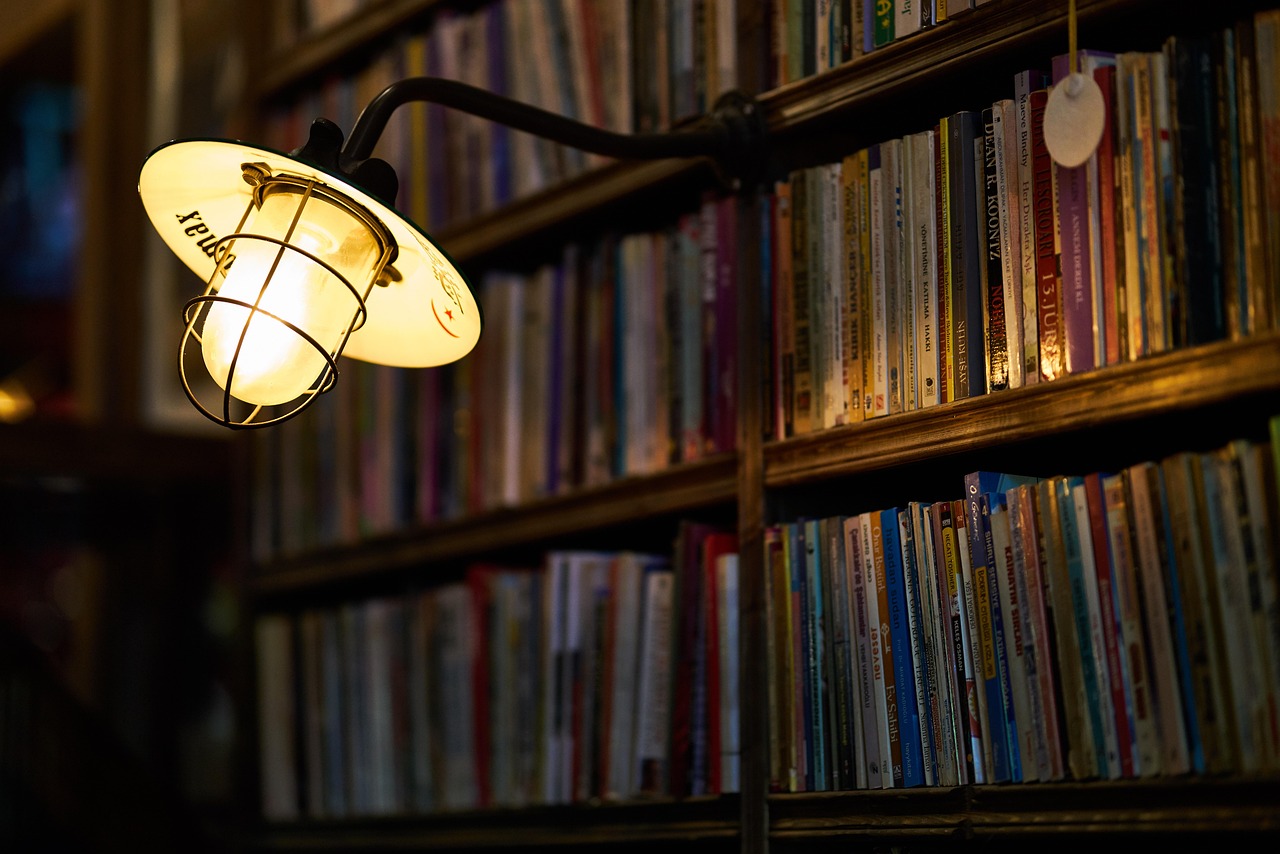
Most of us end the day the same way: bright screens, bright ceilings, then straight to bed, wondering why sleep feels far away. Light is one of the strongest signals our bodies use to decide whether it is time to be awake, and our homes often send the wrong message all evening. You do not need a smart home system or a wellness app to fix this. You need a routine, and it can be as simple as turning a few lamps on and off in a particular order.
The idea behind an evening lighting ritual is gentle and old-fashioned. As the sun goes down, the light around you should go down too, both in brightness and in color. Your body notices. Long before electricity, evenings were dim and amber, lit by fire and oil, and our eyes still expect that shift. Recreating it at home is less about biology homework and more about giving yourself a soft landing at the end of the day.
An Hour-by-Hour Lighting Wind-Down
Start around sunset. This is when you turn off the overhead lights for the day. If you have dimmable ceiling fixtures, drop them low instead, but the goal is to stop lighting the whole room from above. Switch on your lamps: the floor lamp by the sofa, the small lamp on the side table, maybe a sconce in the hallway. The room will feel noticeably warmer immediately, and that shift is the signal that work is over.
An hour before bed, narrow the light further. Turn off any lamp that lights the whole room and keep only the ones close to where you are sitting. If you are reading, use a task lamp aimed at the page. If you are talking or listening to music, a single candle or LED candle is enough. This is also a good moment to lower the brightness on your phone or, better, put it face down. The point is not to sit in the dark. It is to let the light come from one small, warm place instead of everywhere at once.
In the last half hour, move the light out of the main living space entirely. A small lamp in the bedroom, a nightlight in the hallway, a single candle by the sink while you wash up. If you like to read in bed, a clip-on light with a warm bulb keeps the glow on the page and off the ceiling. When you are ready to sleep, turn off the last light, and let the room go fully dark. That final transition, from one small glow to none, is the clearest signal you can give yourself.
Small Habits That Make the Routine Stick
The hardest part of any routine is remembering it. One easy trick is to tie each lighting change to something you already do: overhead lights off when you start cooking dinner, lamps down when you sit down to eat, bedroom lamp on when you brush your teeth. Another is to put your lamps on timers or smart plugs so the early steps happen without you, and you only have to handle the last one or two.
You will probably notice the difference within a week, not because anything dramatic happens, but because evenings start to feel like evenings again. The room gets quieter. Your shoulders drop. The day winds itself down instead of stopping all at once. That is the whole promise of cozy lighting, really: not decoration, but a daily rhythm, made of small warm lamps and the quiet decision to let the light go soft.


Lantern Lane

Turn an overlooked corner into a cushioned, softly lit retreat you'll never want to leave.